
- UK prices
- £15 median of 9 Verified prices
- Most sold, last 90 days
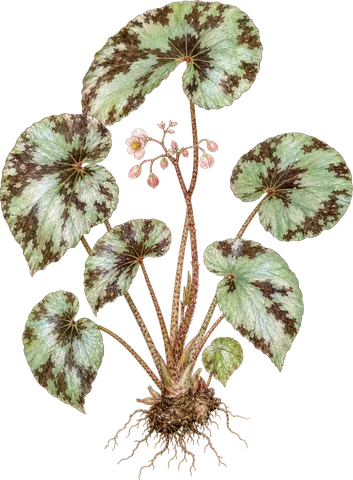
- Begonia maculata 'Pink Variegata'
41 plants
| Compare | Illustration | Plant | UK sales on record | Price |
|---|---|---|---|---|
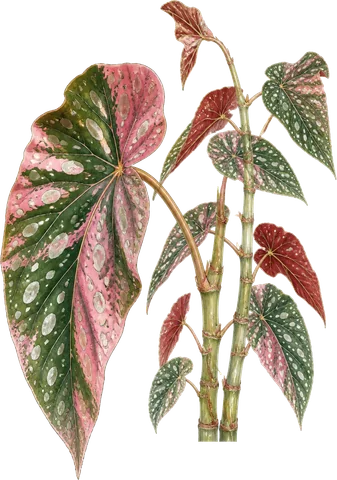
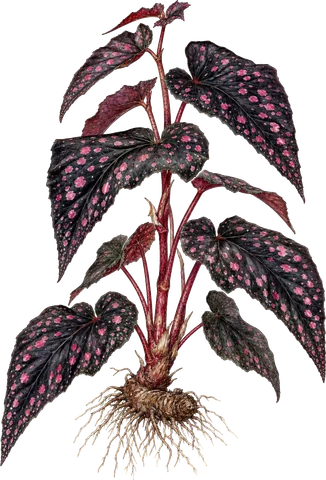
| Begonia maculata 'Pink Variegated'Pink Polka Dot BegoniaMiddle half £25 to £51 | £33Verified | |||
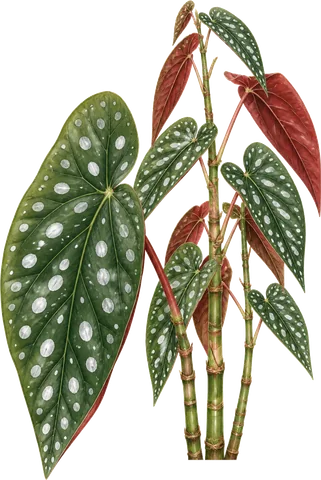
| Begonia maculataPolka Dot BegoniaMiddle half £8 to £9 | £9Verified | |||
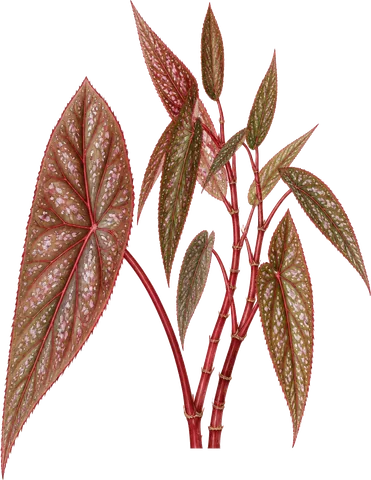
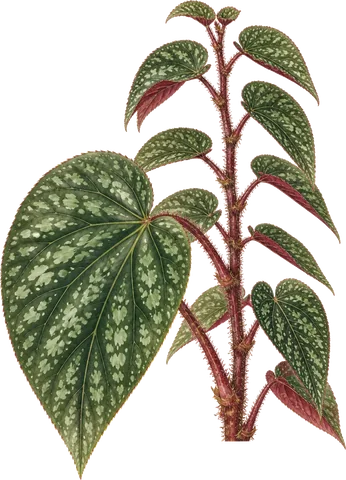
| Begonia amphioxusSpotted Cane BegoniaMiddle half £8 to £17 | £12Verified | |||
| Begonia darthvaderianaDarth Vader BegoniaMiddle half £17 to £24 | £19Verified | |||
| Begonia dregeiDwarf Grape BegoniaLast sold 28 Aug 2026 | £15Limited data | |||
| Begonia pavoninaPeacock BegoniaMiddle half £21 to £24 | £21Verified | |||
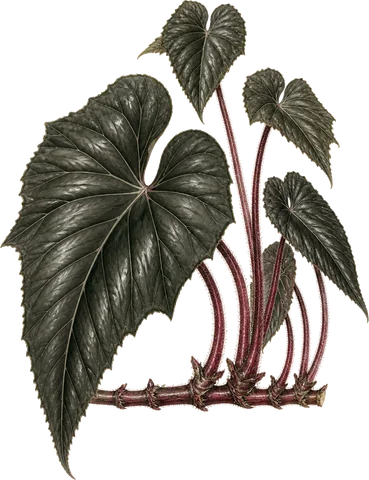
| Begonia masonianaIron Cross Begonia | £15Verified | |||
| Begonia feroxFierce BegoniaLast sold 9 Jul 2026 | £13Limited data | |||
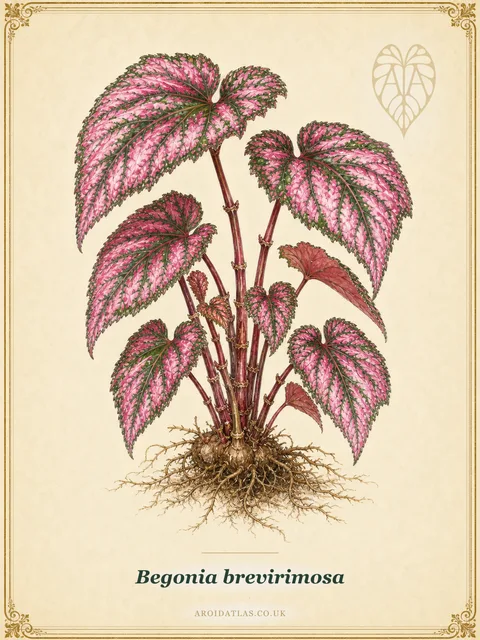
| Begonia brevirimosaPink Cane Begonia | £14Verified | |||
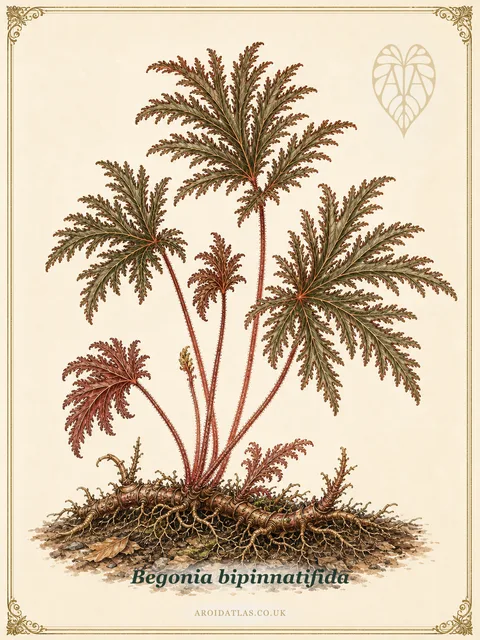
| Begonia bipinnatifidaFern-Leaf BegoniaLast sold 19 Aug 2026 | £12Limited data | |||
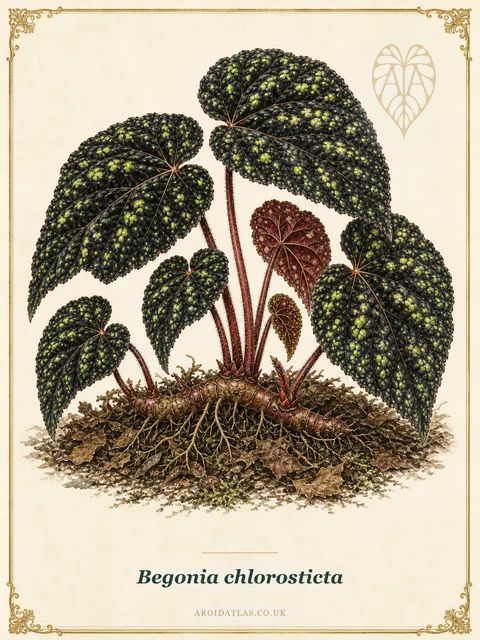
| Begonia chlorostictaGreen-Spotted BegoniaLast sold 5 Sep 2026 | £15Limited data | |||
| Begonia malachostictaSpotted Cane Begonia | £12Verified | |||
| Begonia luxuriansPalm Leaf Begonia | £15Verified | |||
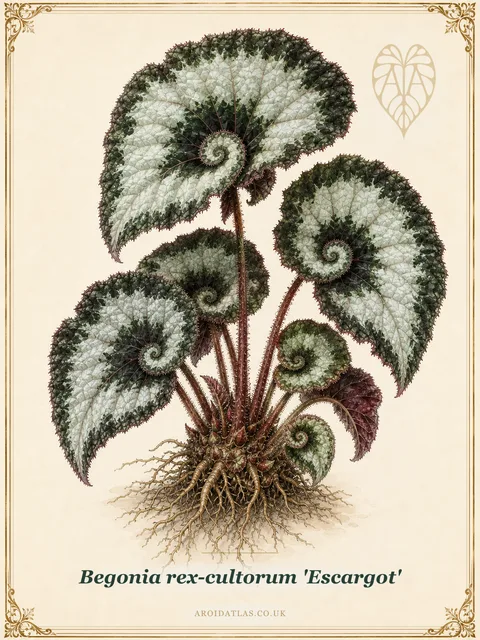
| Begonia rex-cultorum 'Escargot'Escargot BegoniaLast sold 16 Sep 2026 | £12Limited data | |||
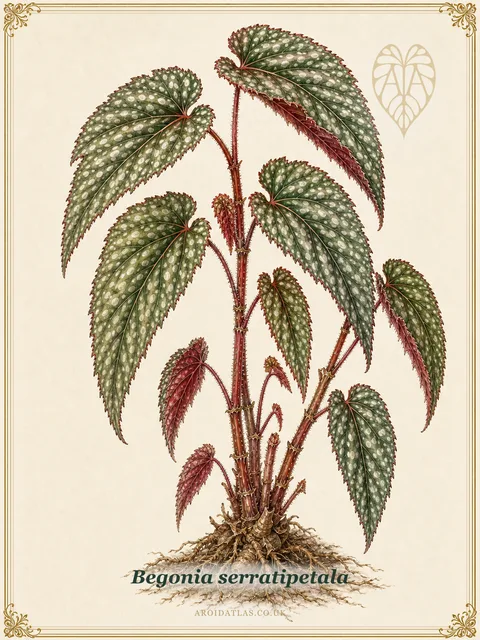
| Begonia serratipetalaPink Spot Cane BegoniaLast sold 3 Sep 2026 | £9Limited data | |||
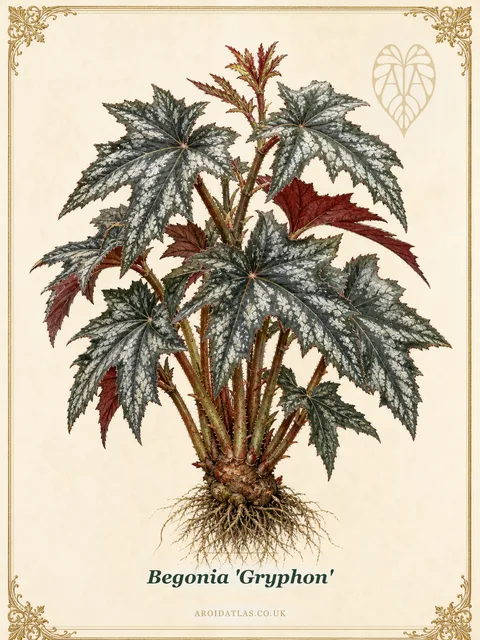
| Begonia 'Gryphon'Gryphon BegoniaLast sold 31 Aug 2026 | £13Limited data | |||
| Begonia burkilliiBurkill's Himalayan BegoniaLast sold 27 Sep 2026 | £14Limited data | |||
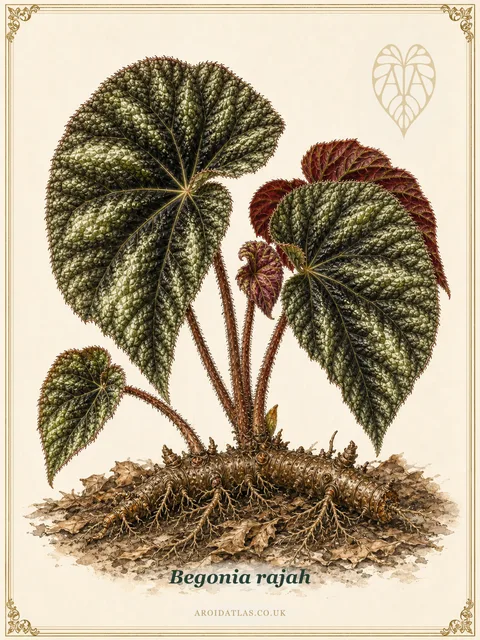
| Begonia rajahRajah BegoniaLast sold 22 Aug 2026 | £19Limited data | |||
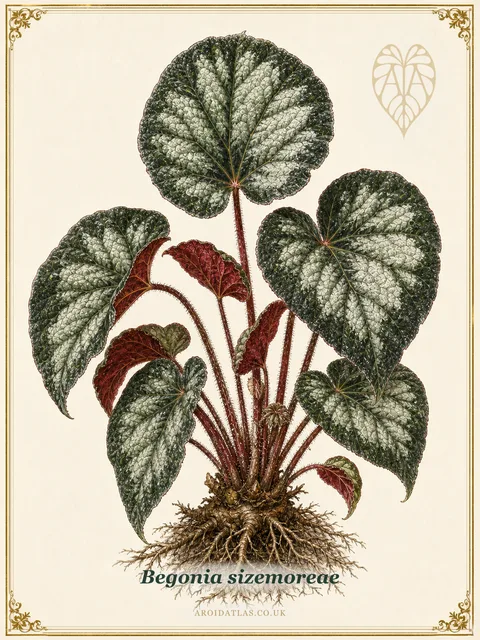
| Begonia sizemoreaeSizemore's BegoniaLast sold 7 Aug 2026 | £7Limited data | |||
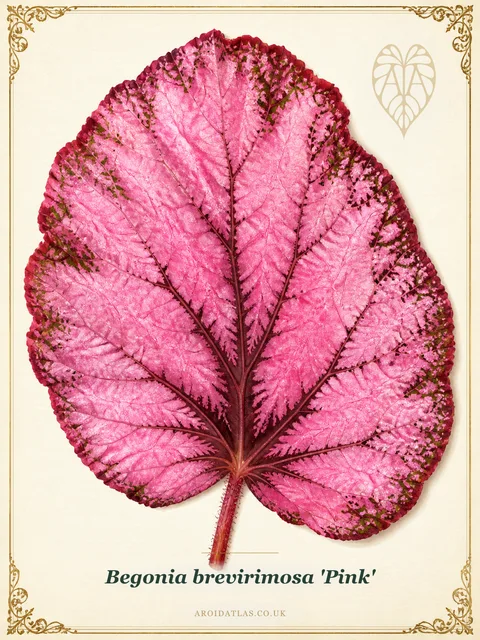
| Begonia brevirimosa 'Pink'Bright Pink Cane BegoniaCutting or corm, last sold 29 Sep 2026 | £17Limited data | |||
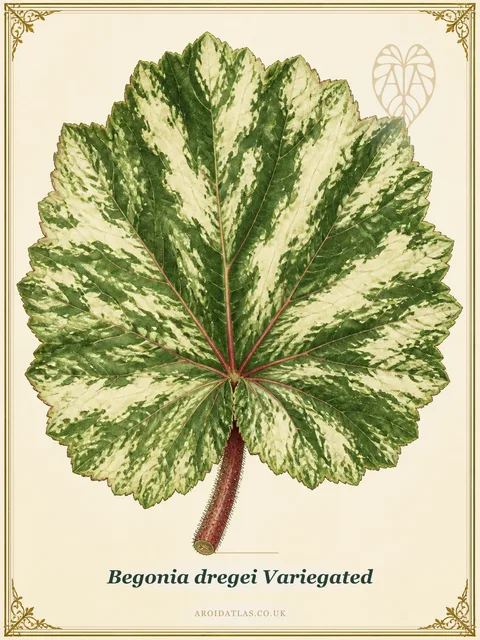
| Begonia dregei VariegatedVariegated Dwarf Grape BegoniaLast sold 3 Sep 2026 | £9Limited data | |||
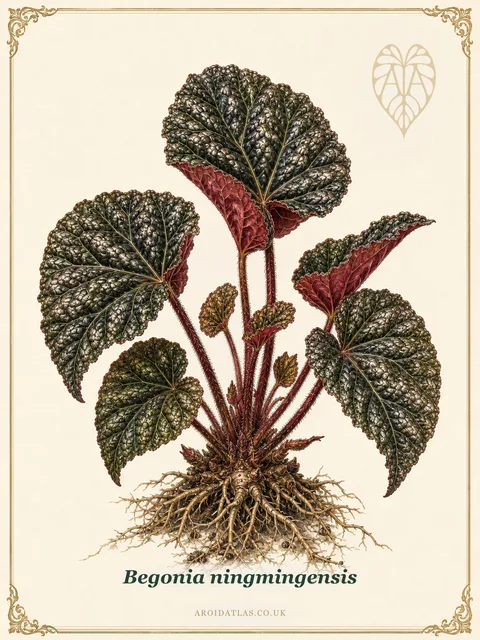
| Begonia ningmingensisNingming BegoniaLast sold 28 Jul 2026 | £25Limited data | |||
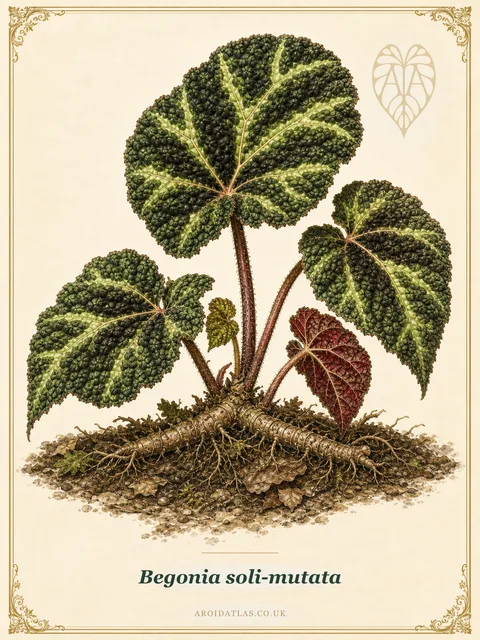
| Begonia soli-mutataSun-Change BegoniaLast sold 5 Jun 2026 | £13Limited data | |||
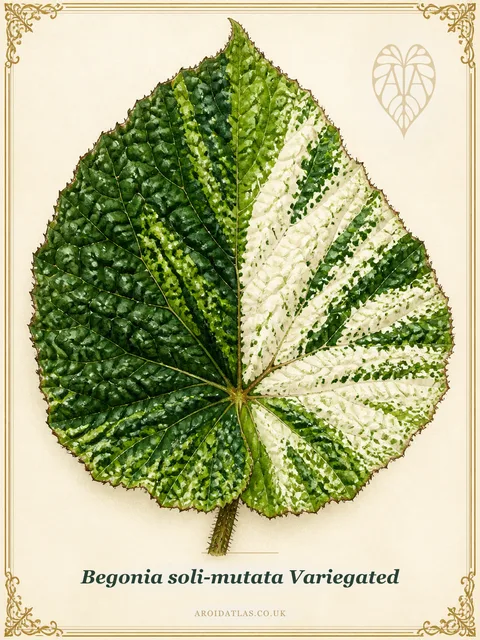
| Begonia soli-mutata VariegatedVariegated Sun-Change BegoniaLast sold 7 Sep 2026 | £10Limited data | |||
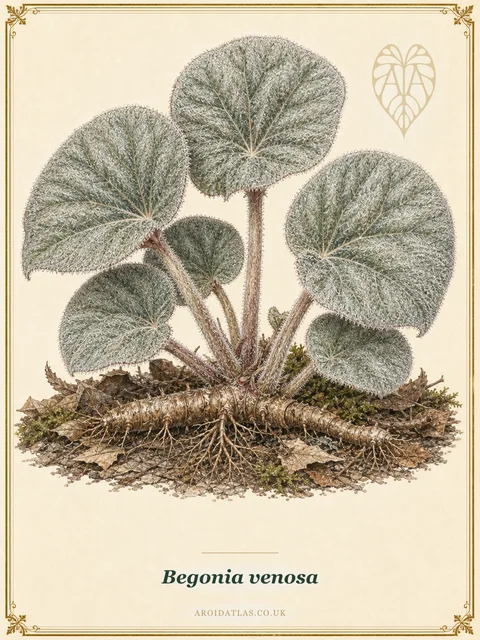
| Begonia venosaVeined BegoniaLast sold 15 Aug 2026 | £12Limited data | |||
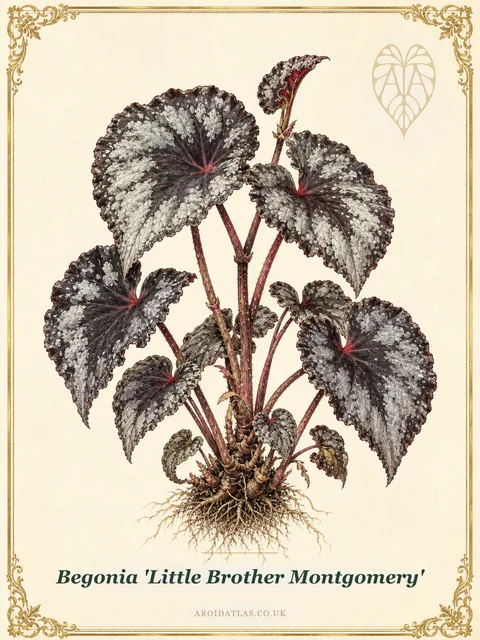
| Begonia 'Little Brother Montgomery'Little Brother Montgomery BegoniaLast sold 12 Oct 2026 | £7Limited data | |||
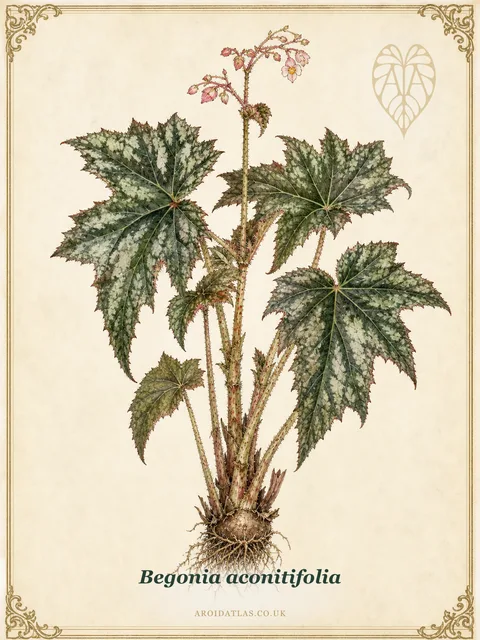
| Begonia aconitifoliaAconite-leaf BegoniaLast sold 13 Jun 2026 | £9Limited data | |||
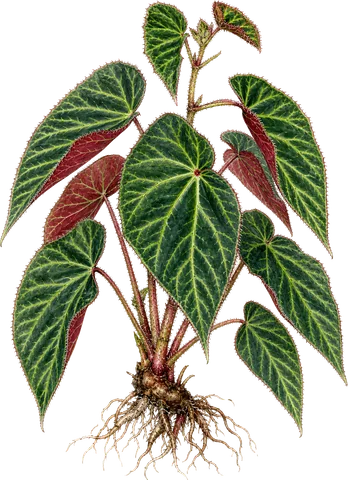
| Begonia chloroneuraGreen-Vein Philippine BegoniaLast sold 15 Sep 2026 | £15Limited data | |||
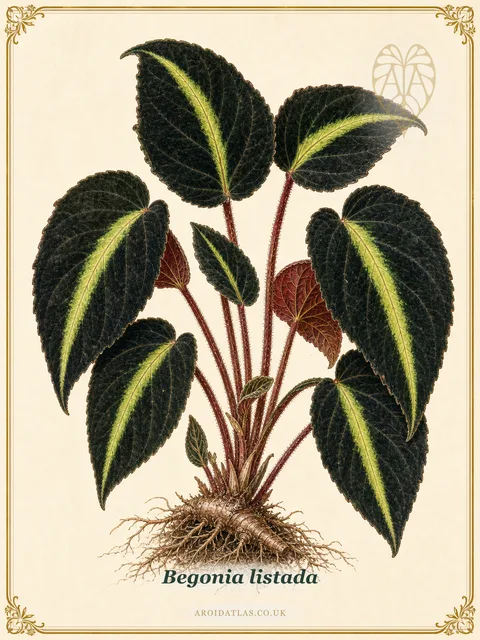
| Begonia listadaStriped BegoniaLast sold 11 May 2026 | £9Limited data | |||
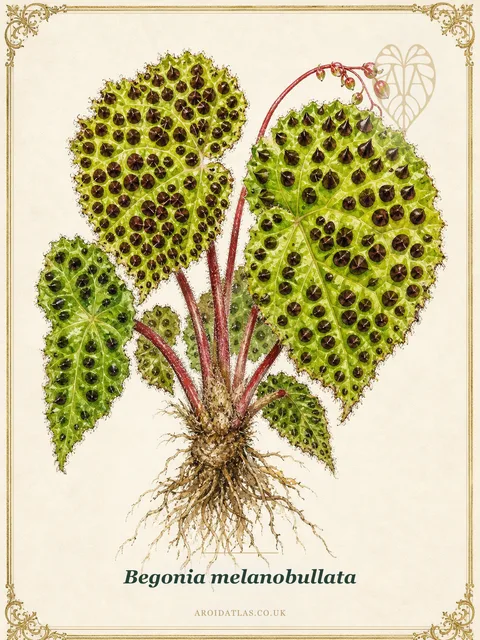
| Begonia melanobullataBlack Bullate BegoniaLast sold 26 Jul 2026 | £20Limited data | |||
| Begonia sp. 'Julau'Julau Pink Spotted BegoniaCutting or corm, last sold 31 Aug 2026 | £30Limited data | |||
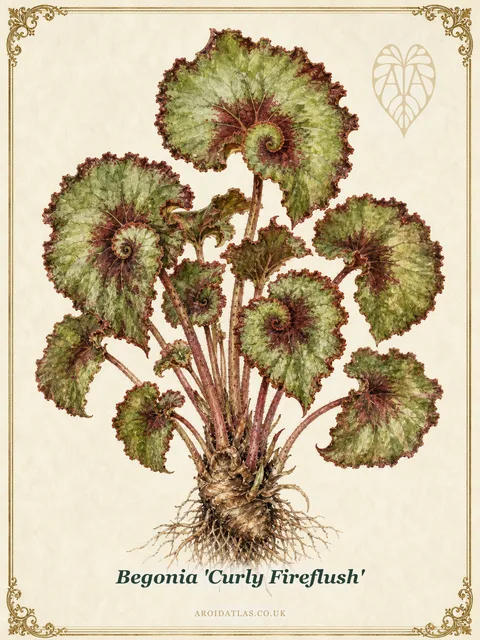
| Begonia 'Curly Fireflush'Curly Fireflush BegoniaNo UK sales recorded yet | £5 to £25Estimate | |||
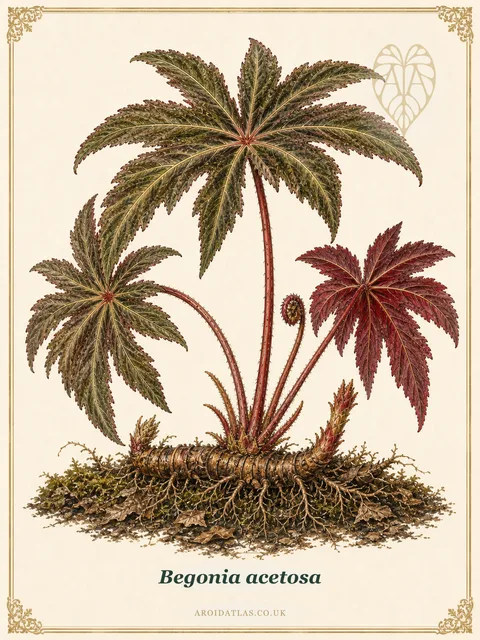
| Begonia acetosaVelvet BegoniaNo UK sales recorded yet | £5 to £25Estimate | |||
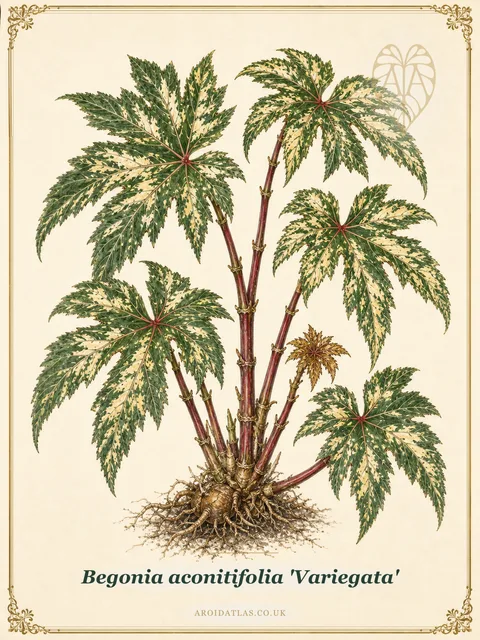
| Begonia aconitifolia 'Variegata'Variegated Cane BegoniaNo UK sales recorded yet | £25 to £80Estimate | |||
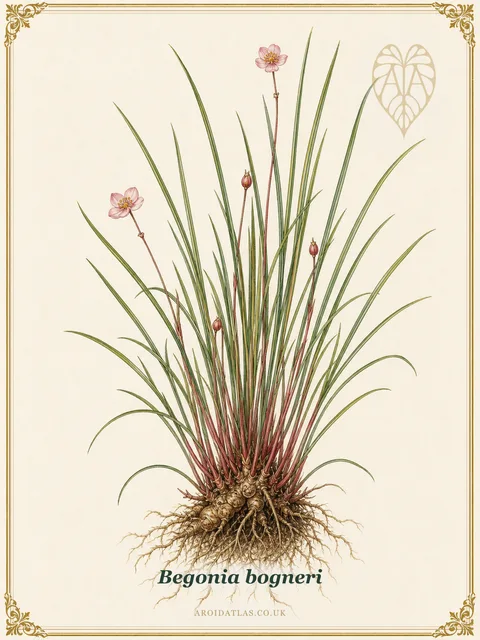
| Begonia bogneriGrass Begonia | No price yet | |||
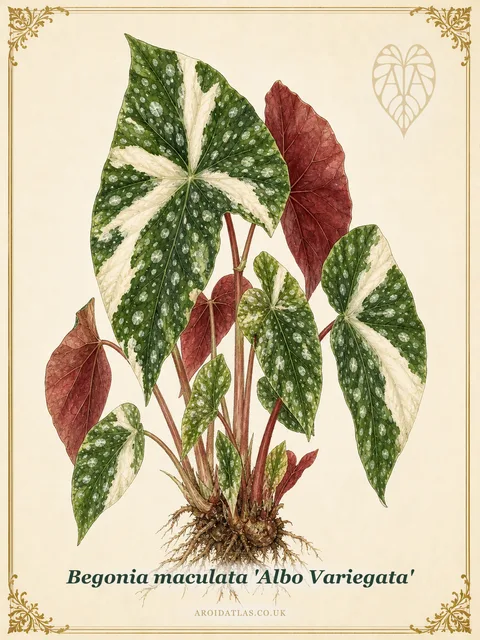
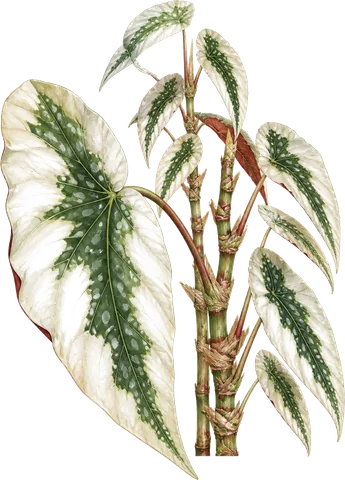
| Begonia maculata 'Albo Variegata'Polka Dot Begonia VariegataNo UK sales recorded yet | £25 to £80Estimate | |||
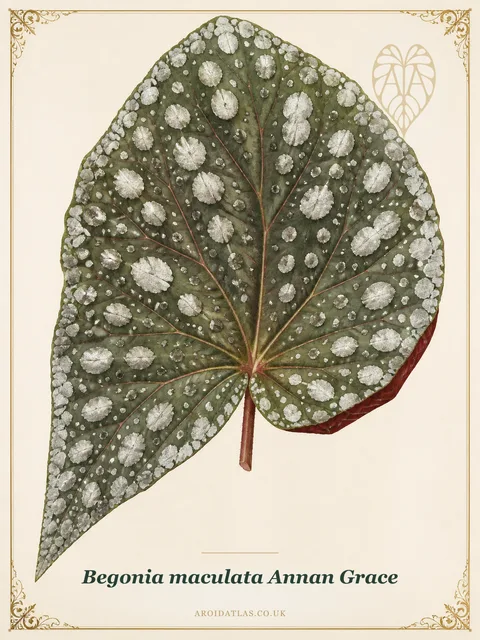
| Begonia maculata 'Annan Grace'Annan Grace Polka Dot BegoniaNo UK sales recorded yet | £25 to £80Estimate | |||
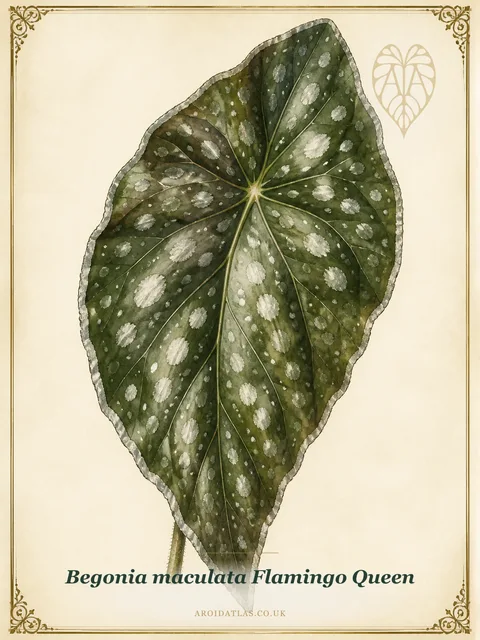
| Begonia maculata 'Flamingo Queen'Flamingo Queen Polka Dot BegoniaNo UK sales recorded yet | £25 to £80Estimate | |||
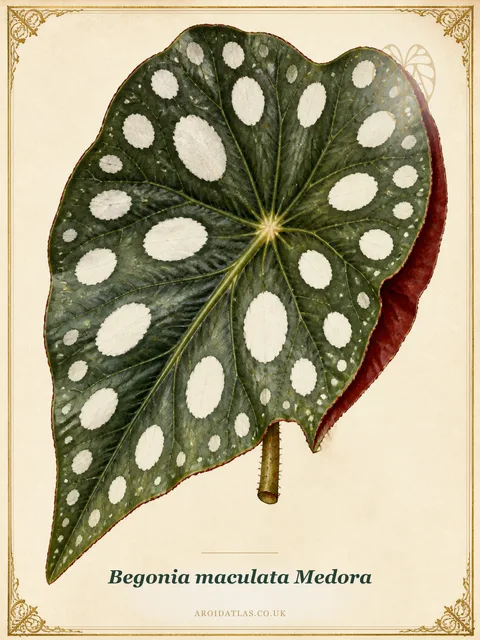
| Begonia maculata 'Medora'Medora Polka Dot BegoniaNo UK sales recorded yet | £25 to £80Estimate | |||
| Begonia maculata 'Snow Cap Variegated'Snow Cap Polka Dot BegoniaNo UK sales recorded yet | £80 to £180Estimate | |||
| Begonia masoniana 'Variegata'Iron Cross Begonia VariegataNo UK sales recorded yet | £80 to £300Estimate |
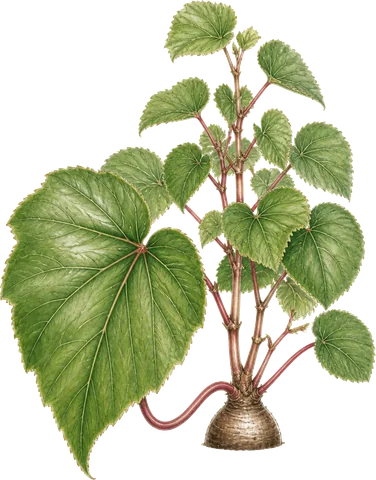
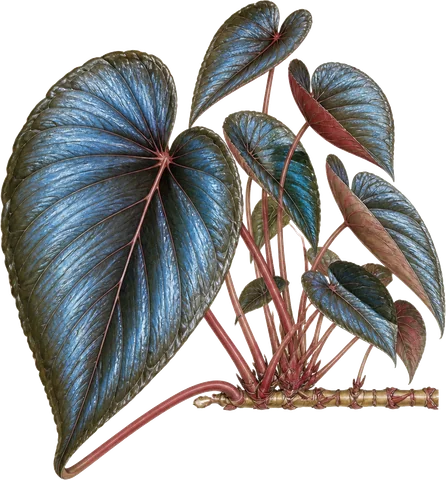
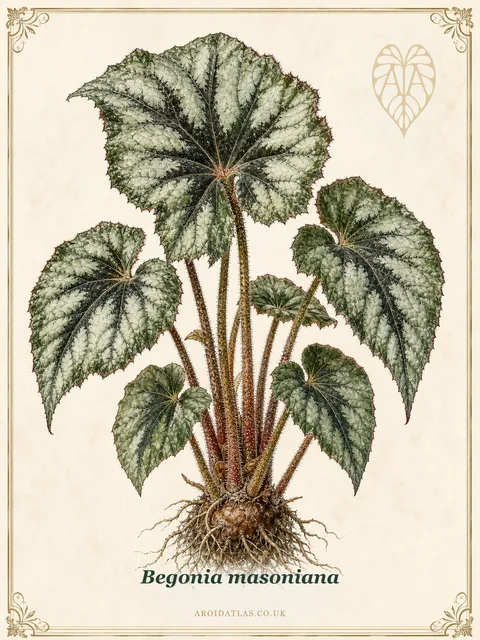
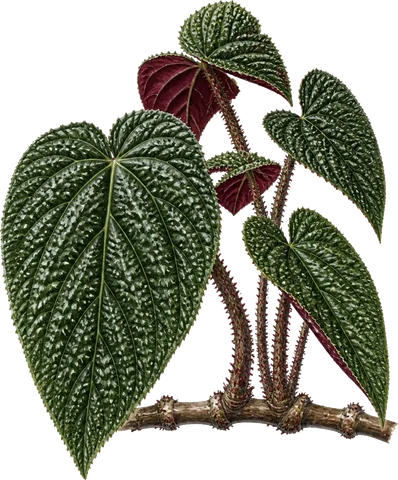
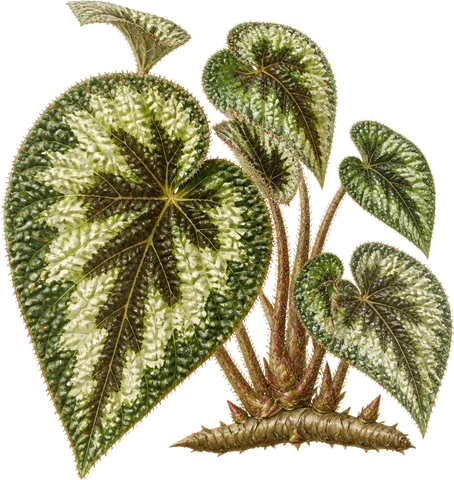
About Begonia
Begonia is a large genus in the family Begoniaceae (not an aroid, but grown alongside them here for its overlapping collector base in patterned, textured foliage). Species range from Asian rhizomatous begonias with iridescent or bullate leaves to South American shrub types. Within the genus, collector interest concentrates on leaf pattern and texture rather than flower, with the maculata group and bullate species like B. masoniana forming the bulk of the trade.
Propagating Begonia
Begonia isn't an aroid, and it doesn't propagate like one: rhizomatous species root new plantlets straight from a leaf, while cane-type Angel-Wings root from stem cuttings instead. The two methods aren't interchangeable.
Two growth habits, two propagation methods
Begonia isn't a single propagation story. The bullate, rhizomatous species in this catalogue (B. masoniana, B. ferox, B. rajah and their relatives) grow from a creeping rhizome and can regenerate an entire new plant from a piece of leaf alone, without any stem or node involved at all. The cane-type Angel-Wing line (B. maculata and its named cultivars) grows upright on jointed, bamboo-like stems instead, and roots the same way a Dieffenbachia or Dracaena cane does: from a stem cutting with at least one node, not from a leaf.
Using the wrong method isn't fatal, but it wastes material: a leaf wedge from an Angel-Wing maculata is far less reliable than a stem cutting, and a stem cutting from a rhizomatous species like masoniana skips over its actual strength, which is regenerating from leaf tissue most cane-type Begonia can't match.
The variegation caveat
Variegated Begonia forms (Albo Variegata lines, pink-sectored maculata cultivars) are chimeric sports, the same as variegated aroids; the white or pink pigmentation exists only in some of the plant's growing tissue. A leaf wedge or stem cutting taken from a section without variegated tissue will root and grow, but it will grow back plain green, regardless of how the parent plant looks overall.
Step by step
Tools & Timing
A clean, sharp blade or fresh razor is worth the trouble here: a torn or crushed leaf cut is slower to callus and more prone to rotting before it ever produces a plantlet. Propagate during active growth in spring or summer; a leaf wedge taken from a plant that's slowed down for winter roots far more slowly, if at all.
Choosing the Right Method
For rhizomatous, bullate species (masoniana, ferox, rajah and relatives), select a mature, healthy leaf with no damage and take a leaf-wedge or whole-leaf cutting. For cane-type Angel-Wing maculata forms, instead take a stem cutting with at least one node and a couple of leaves attached, cut just below a node the same way you would for a Dieffenbachia.
Don't mix the two methods up: a stem cutting from a rhizomatous species and a leaf wedge from an Angel-Wing maculata both root far less reliably than the method matched to that plant's actual growth habit.
The Wedge Cut (Rhizomatous Species)
Cut the leaf into pie-slice wedges, making sure each wedge includes a section of a major vein; plantlets form at the cut vein, not from the leaf blade generally. Insert the cut edge of each wedge vertically into a moist, well-aerated mix (perlite and sphagnum work well) so the vein contacts the medium directly.
No vein in the wedge means no plantlet: every piece needs a visible section of major leaf vein included in the cut.
Humidity & Waiting
Cover wedge cuttings with a clear humidity dome or bag and keep them out of direct sun, which scorches the exposed, wounded leaf tissue. New plantlets typically emerge from the cut vein over several weeks to a couple of months. This is a genuinely slow method, and a lack of visible progress in the first few weeks isn't a sign of failure.
Separating & Potting Up
Once a plantlet has developed a small root system and at least one or two of its own true leaves, separate it from the parent leaf wedge and pot it into its own small container of well-draining aroid-style mix. For cane-type stem cuttings, pot up once roots are visible and at least 2-3cm long, the same threshold used for climbing aroid cuttings.
From other growers
- Good airflow matters more than high humidity here
- Begonia leaf cuttings and young plantlets are notably prone to powdery mildew and rot in still, overly humid air: vent a propagation dome briefly each day rather than sealing it completely for weeks on end.
- A whole-leaf pin-down works alongside wedges
- Instead of cutting a leaf into wedges, some growers lay a whole leaf flat on moist substrate, make small nicks across the major veins with a blade, and pin the leaf down with wire or toothpicks. Plantlets emerge at each nick point, a slower setup than wedges, but it can produce more plantlets from a single leaf.
- Angel-Wing cuttings root reliably in plain water
- Cane-type maculata stem cuttings root readily in a glass of water, the same as many climbing aroids; a widely repeated shortcut compared to the slower leaf-wedge method needed for rhizomatous species.
- Variegated wedges need to include variegated tissue
- If the goal is a variegated plantlet, take the wedge from a visibly variegated section of leaf specifically: a wedge from an all-green part of the same leaf will root true to green only, same as any other chimeric sport.
Care notes
- Most rhizomatous Begonia in this genus come from shaded, humid forest floor habitats (Atlantic Forest Brazil, Bornean rainforest understory) and prefer bright indirect light rather than direct sun, which scorches the thin leaf surface.
- Good airflow matters more than high humidity alone: many of the bullate and textured-leaf species (B. masoniana, B. ferox) are prone to powdery mildew and leaf rot in still, humid air.
- Variegated and colour-break forms (Albo Variegata lines, pink sectoring) are chimeric sports propagated from a specific node, not seed; a plain-leaf cutting from the same plant will not carry the variegation.
Questions
No. Begonia belongs to the family Begoniaceae, unrelated to the Araceae aroids that make up most of this site. It's included here for its overlapping collector base in patterned foliage, not botanical kinship.
Bullate leaf texture (B. masoniana, B. ferox, B. rajah) is a genetic trait present from the first mature leaf, not a sign of poor care.
Variegated Begonia forms are chimeric sports; a cutting taken from a node without variegated tissue reverts to plain green regardless of the parent plant's appearance.
The plain species carries metallic silver polka dots only; named cultivars and variegated forms (Annan Grace, Flamingo Queen, Albo Variegata) are all selections bred from B. maculata with additional stable or chimeric traits layered on top.