UK Rare Houseplant Prices Have Fallen: What the Sales Show
Monstera 'Thai Constellation' and 'Burle Marx Flame' were among the most expensive houseplants of 2020 and 2021. UK sales show what happened next, and why it isn't the crisis it looks like.
By Aroid Atlas editorial · Prices from UK eBay sales, size named on each plant page · data as of Nov 2026
We may earn a commission if you buy through these links. It never changes the prices we show. It never affects the ranking.
- 1
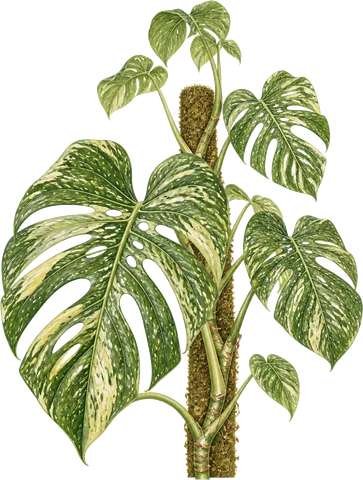
Monstera deliciosa 'Thai Constellation'
Thai Constellation Monstera
Based on 41 UK sales in the last 90 days.
Find on eBay£16 - 2
Monstera deliciosa 'Burle Marx Flame'
Burle Marx Flame Monstera
Based on 33 UK sales in the last 90 days.
Find on eBay£18 - 3
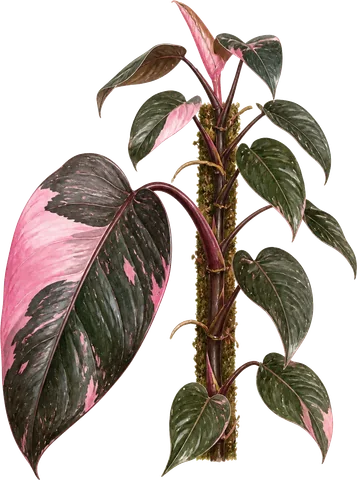
Philodendron erubescens 'Pink Princess'
Pink Princess Philodendron
Based on 46 UK sales in the last 90 days.
Find on eBay£10 - 4
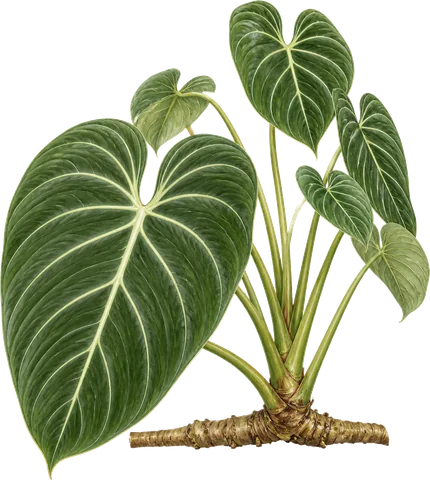
Philodendron gloriosum
Philodendron gloriosum
Based on 10 UK sales in the last 90 days.
Find on eBay£14 - 5
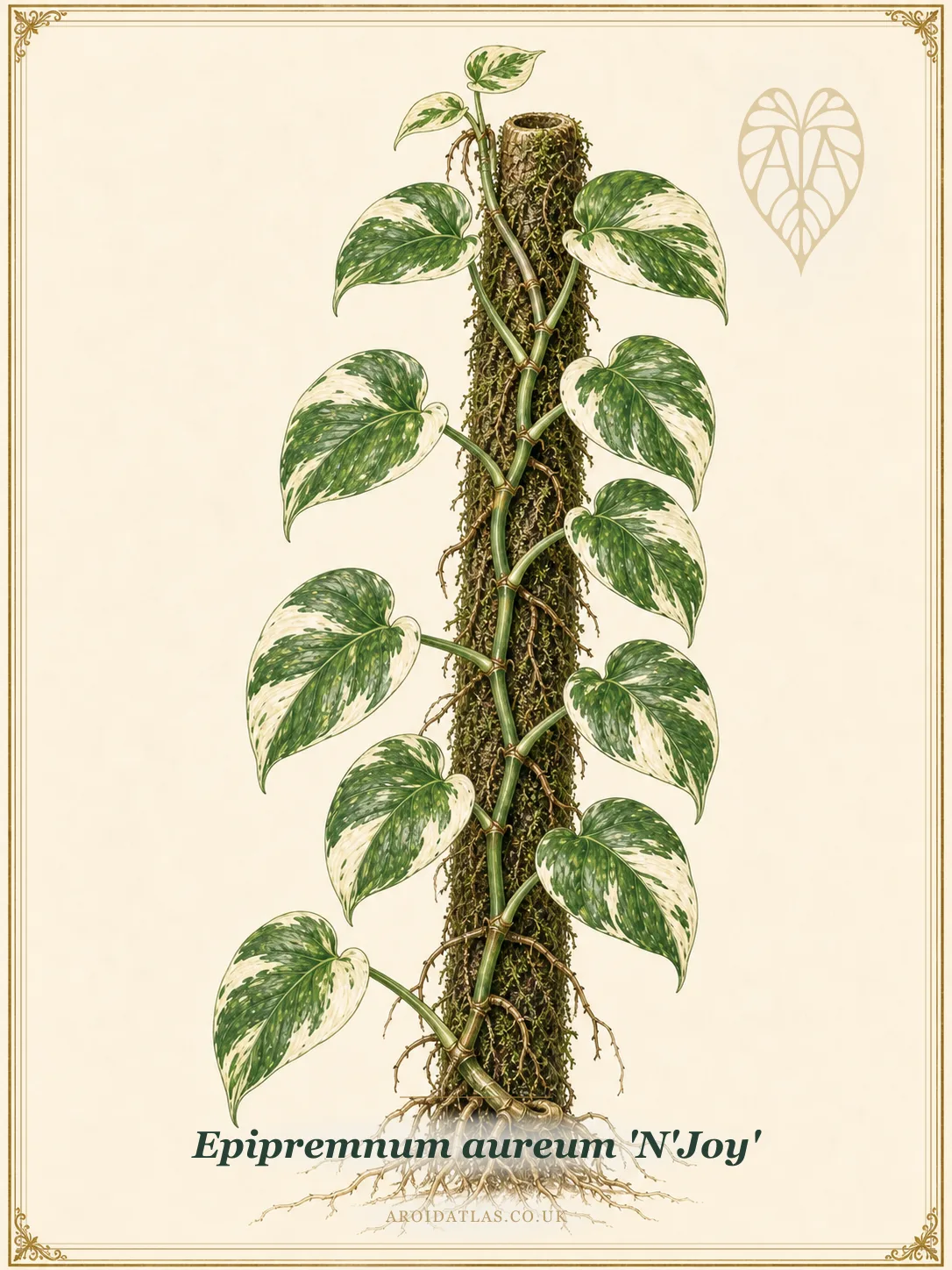
Epipremnum aureum 'N'Joy'
N'Joy Pothos
Based on 4 UK sales in the last 90 days.
Find on eBay£8 - 6
Epipremnum pinnatum 'Cebu Blue'
Cebu Blue Pothos
Based on 11 UK sales in the last 90 days.
Find on eBay£10 - 7
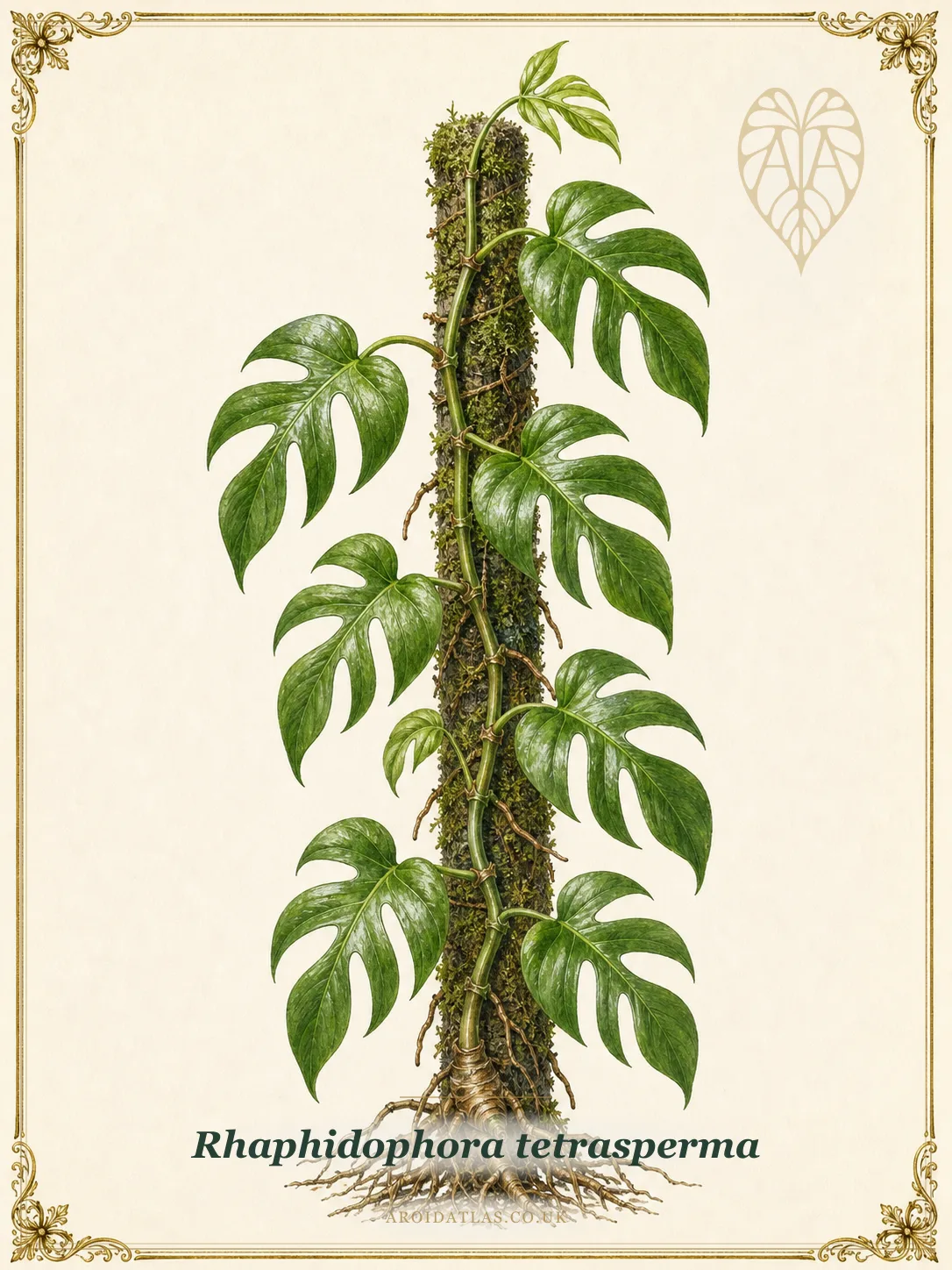
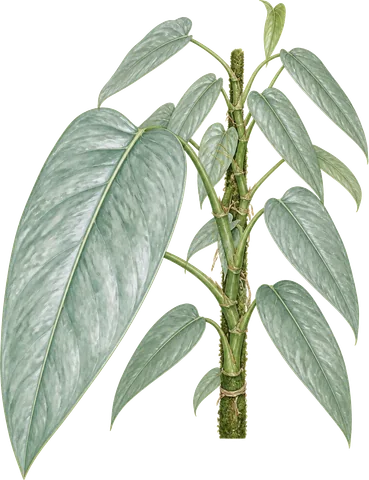
Rhaphidophora tetrasperma
Mini Monstera
Based on 8 UK sales in the last 90 days.
Find on eBay£10
About this ranking
Monstera deliciosa 'Thai Constellation' spent 2020 and 2021 as one of the most expensive houseplants a UK collector could buy. Today: £16 typical UK price for a 7cm pot or unstated size. Based on 41 UK eBay sales from 4 Aug 2026 to 25 Oct 2026. Most sold between £14 and £20. It now turns up in Aldi's own-brand houseplant range and on Lidl's shelves.
It isn't the only one. Monstera 'Burle Marx Flame' was one of the costliest cultivars of the same boom, when every cultivated plant traced back to a single specimen. Today: £18 typical UK price for a 7cm pot or unstated size. Based on 33 UK eBay sales from 7 Aug 2026 to 25 Oct 2026. Most sold between £13 and £23. It hasn't reached supermarket shelves the way Thai Constellation has, but the trajectory is the same: tissue-culture propagation scaled up the supply, and the price followed it down.
Calling this a crash gets the mechanics backwards. A cultivar's supply is most limited, and its price highest, in the months right after it first reaches collectors, before it gets divided and propagated at scale. Once supply catches up, the price eases. That isn't a market failing. It's the market doing exactly what a genuinely limited plant is supposed to do once it stops being limited. Below is what the real UK sold-price data shows for a handful of plants that went through exactly that.
None of these plants are gone from the rare-plant world, their prices just reflect current supply rather than 2021 hype. For the cultivars still commanding real money right now, see The 20 Most Expensive Houseplants in 2026, or check live pricing across the Plant Atlas.
Trying to work out whether an asking price is fair rather than inflated by a seller who hasn't checked recent sold data? See Is This a Fair Price?
Frequently Asked Questions
Why did Thai Constellation Monstera get so cheap?
Tissue-culture labs scaled up production once the variegation pattern proved stable enough to propagate reliably, turning a plant that needed hand-divided cuttings into one grown by the thousand. Supply caught up with demand, and the price fell with it: the same pattern behind nearly every plant from the 2020–2022 rare-plant boom once propagators get hold of it.
Is Thai Constellation Monstera really sold in UK supermarkets?
Yes. Aldi has stocked it under their Wild Interiors houseplant range, and it has also appeared on Lidl's shelves. Specialist growers still sell larger, more established specimens at a premium over supermarket plug size, but the base plant is no longer the four-figure plant it was in 2021.
Will rare houseplant prices rise again?
For an individual cultivar that has already been widely tissue-cultured, no: prices trend down as propagation catches up with demand and don't reverse. What looks like a rising price is usually a single large specimen selling high, a thin sample of recent sales, or a genuinely new cultivar that hasn't been propagated out yet. That is where prices are still set by limited supply.